Webinar Replays
Post‑Termination Playbook – Protecting Your Business When Key Employees Move On
Posted on May 18, 2026 by E2 Administrator
When key employees leave, businesses often face more than just a vacant desk. The departure of top talent can disrupt operations, weaken client relationships, and expose sensitive information. To stay resilient, organizations need a clear playbook that protects continuity and minimizes risk.
Why It Matters
Key employees carry institutional knowledge, strategic insights, and trusted relationships. Without preparation, their exit can lead to:
Loss of critical expertise
Gaps in leadership or project ownership
Potential compliance and legal risks
Declining morale among remaining staff
Strategies to Protect the Business
1. Safeguard Information & Assets Implement strict offboarding protocols to secure data, revoke access rights, and protect intellectual property.
2. Strengthen Succession Planning Identify potential successors early and invest in cross‑training to ensure smooth transitions.
3. Manage Legal & Compliance Risks Review contracts, non‑compete clauses, and confidentiality agreements to reduce exposure.
4. Preserve Client Relationships Proactively communicate with clients to reassure them of continuity and introduce new points of contact.
5. Build Organizational Resilience Encourage knowledge sharing, documentation, and collaborative systems so expertise isn’t siloed.
Conclusion
Employee departures are inevitable, but disruption doesn’t have to be. By following a structured post‑termination playbook, leaders can protect their business, maintain stability, and turn transitions into opportunities for growth.


upcoming events

Budget 2027 raises the minimum wage to RM2,000 in June 2027. Discover legal basic pay rules, MSME exemptions, penalties, and essential HR steps.
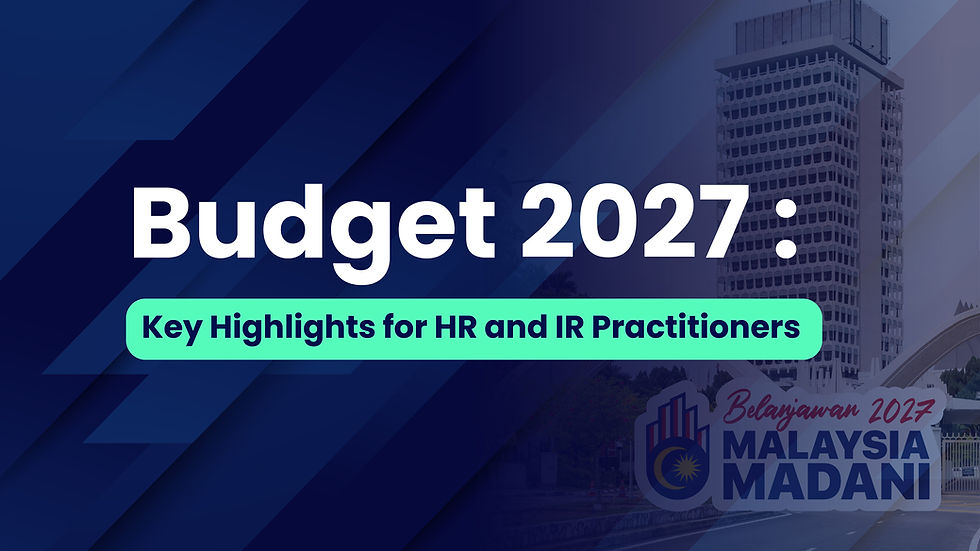
Discover how Malaysia's Budget 2027 impacts HR and IR practitioners. Navigate the RM2,000 minimum wage, MSME exemptions, and new cashless payroll tax rules.

Can you dismiss a probationer in Malaysia? Discover legal risks, Section 20 requirements, and essential review rules under Industrial Court law.


Join Our Community
Get the latest HR and IR insights delivered to your inbox — plus instant updates through WhatsApp Channel and our Social Media.

© 2026 E2 Workforce Consulting · Cookie Policy · Privacy Policy · Terms & Conditions